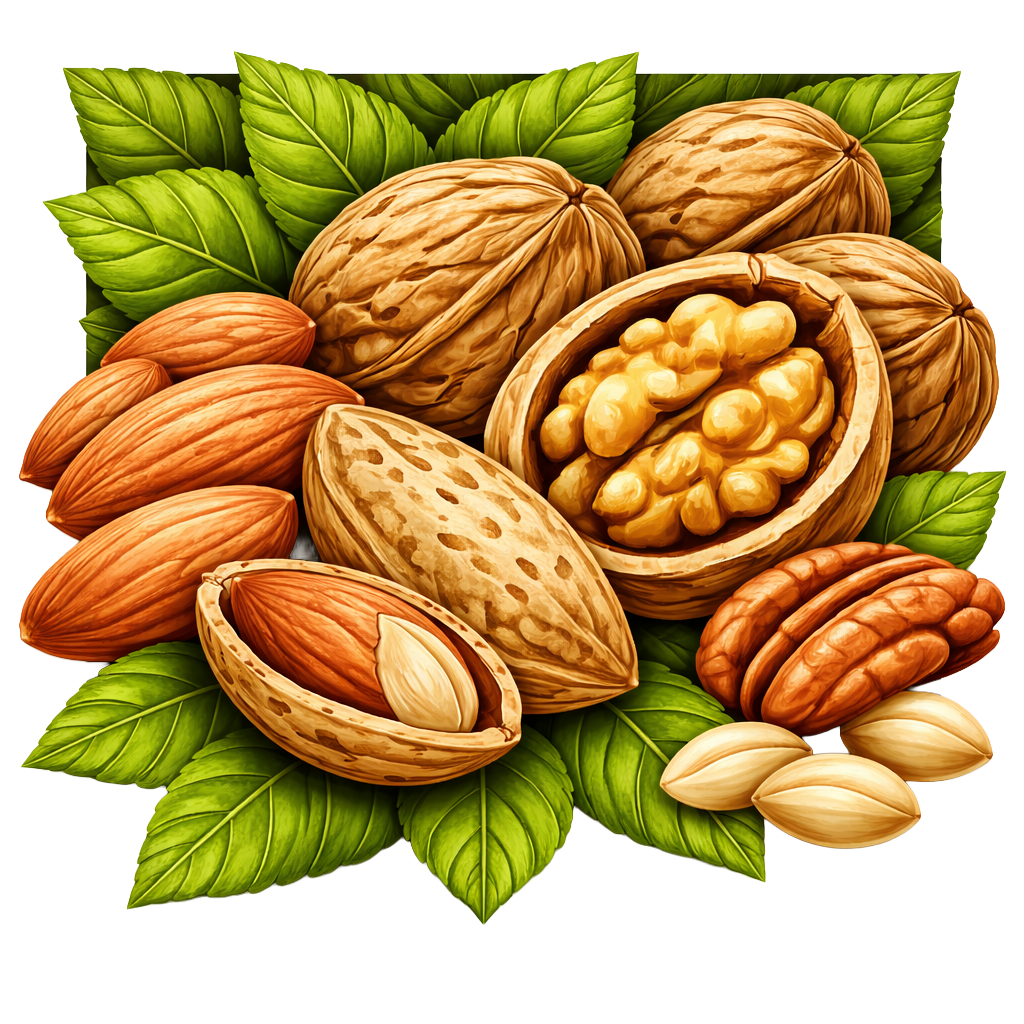
Almonds • Protein ingredient • Quote-ready specs • California sourcing

Bulk Defatted Almond Protein Powder

Atlas Nut Supply, LLC supplies bulk defatted almond protein powder (often described as almond press-cake flour or almond protein flour) to manufacturers, brands, and distributors. We cooperate with multiple California suppliers and processors to align the right protein/residual fat targets, particle size, documentation, packaging, and delivery lane.

This ingredient is commonly specified by protein %, residual fat %, moisture, and mesh/particle size for flowability and application performance (bars, bakery systems, dry mixes, and select beverage formats).

Press-cake / defatted profile Protein-forward ingredient Mesh & flowability targets COA & traceability (program dependent)
Format
Defatted almond protein powder
Programs
U.S. + global export
Support
COA • traceability • docs

Request a quote Read applications Back to catalog

Fastest quoting: share target protein %, residual fat %, desired mesh/particle size, micro targets (if needed), pasteurization/kill-step preference (if required), packaging, and destination (and port if export).
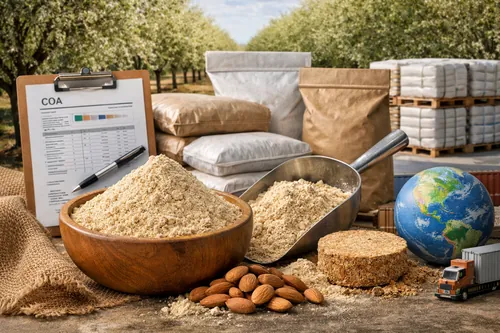
Bulk Defatted Almond Protein Powder for wholesale supply — Atlas Nut Supply

What is defatted almond protein powder?

Defatted almond protein powder is generally produced by pressing almonds to remove a portion of the oil, then milling the remaining almond solids (press cake) into a fine powder. Compared with standard almond flour, a defatted program is typically higher in protein and lower in fat (program dependent).

  • Label-friendly base: “almonds” as the ingredient statement (confirm per program)
  • Protein-forward formulation: supports bars, bakery mixes, dry blends, and select beverage formats
  • Process-fit control: specify particle size/mesh and moisture for dosing and flowability
  • Performance levers: grind, roast note (if any), and fat level influence flavor + mouthfeel

Where it’s used

Common industrial applications (final performance depends on your full formula and process):

  • Nutrition bars and high-protein inclusions
  • Bakery mixes (protein and structure support)
  • Dry beverage mixes and powder blends (program dependent)
  • R&D prototyping for plant-based and specialty products

If your end use is beverage or high-shear mixing, specify particle size and flowability targets up front.

Defatted almond protein powder program options

Common variables (availability varies by supplier program and season):

  • Protein % and residual fat % targets (press profile)
  • Particle size / mesh targets (flowability, dispersion, mouthfeel)
  • Moisture targets to reduce clumping and protect stability
  • Micro targets and validated treatment preferences (as required)
  • Flavor/color targets (neutral vs toasted notes; program dependent)
  • Packaging (bags/cartons) aligned to your batching and storage
  • COA + traceability documentation available per program

How buyers typically specify it

For faster alignment, choose the “control knobs” that matter for your line:

  • Spec-first: protein/fat/moisture + particle size before price comparisons
  • Process-fit: hopper flow, auger feed, dusting control, and mixing shear
  • Sensory: flavor neutrality vs toasted notes; color consistency
  • QA: micro limits + allergen handling + documentation expectations

Need a “starting spec”? Use the Typical Specification Targets table below and tell us what you want tighter.

Typical specification targets (benchmark ranges)

These are common market benchmarks for “almond protein / defatted almond flour” style programs. Exact values vary by supplier, process, and your requirements. We can quote to your spec sheet or tighten/relax targets for performance and cost.

Ingredient statement Almonds (program dependent; confirm with label requirements and destination market)
Appearance Light tan to tan powder (natural variation possible); free-flowing when within moisture spec
Protein Often ≥50% (target by application and label claim)
Residual fat Often ~8–14% (lower fat can improve shelf-life; higher fat can improve mouthfeel)
Moisture Often ≤8% (lower moisture helps flowability and reduces clumping risk)
Particle size / mesh Fine powder programs (e.g., mesh targets such as ~80–100 mesh or micron targets for dispersion)
Micro (example targets) Program-dependent. Common benchmarks may include Salmonella absent (25 g) and limits for APC/TPC, yeast/mold, coliforms, and E. coli. Share your required limits and testing frequency.
Allergen Tree nut: almond. Allergen statements and cross-contact controls available per supplier program.
Shelf life Often ~12 months (depends on fat level, packaging, and storage conditions)
Storage Keep sealed, cool, and dry; protect from heat, humidity, and strong odors. Avoid temperature swings that can cause condensation.
Packaging Common industrial packs include multi-wall paper bags with liners or poly bags in cartons; pallet constraints supported (program dependent).

If you need better flavor stability: specify lower residual fat, oxygen-managed packaging, and a storage plan. For better dispersion: specify micron/mesh target and flowability requirements.

Specs checklist (quote-ready)

Send your spec sheet if you have one. Otherwise, start with the checklist below for faster alignment.

  • Product: Defatted almond protein powder (press-cake / almond protein flour)
  • Target protein % and residual fat % (tell us your label-claim goal if applicable)
  • Particle size / mesh (micron/mesh target; dispersion and dusting constraints)
  • Moisture target and oxidation/rancidity expectations (shelf-life target)
  • Micro requirements (APC/TPC, yeast/mold, coliforms, E. coli, Salmonella policy) and test frequency
  • Pasteurization / validated treatment preference (if required) and destination-market constraints
  • Color/flavor targets (neutral vs toasted note; any sensory reference sample)
  • Packaging: bags/cartons/pails/drums/totes + pallet height/weight constraints
  • Volume: first order + forecast cadence (monthly/quarterly)
  • Destination: city/state/country (and port if export)
  • Delivery window: required ship/receipt dates
  • Documentation: COA, traceability/lot ID, country of origin, certifications if required

Tell us your process (auger feed, high-shear mixing, dust control needs) and we’ll recommend particle size and moisture targets that fit your line.

Related products: Extra-fine almond meal (flour)Defatted walnut protein powderFull catalog

FAQ: Defatted almond protein powder

What specs do you need to quote bulk defatted almond protein powder?

At minimum: target protein %, residual fat %, particle size/mesh, packaging, volume, and delivery lane. If you have a spec sheet, share it; otherwise use the checklist above.

Is defatted almond protein powder the same as almond flour?

Not always. Standard almond flour is typically milled almonds with higher natural fat. Defatted programs are made from pressed almond solids (press cake) and are often higher in protein and lower in fat. Exact composition depends on the supplier program.

Can you support micro targets or a validated kill-step?

Often yes, depending on processor/program and destination requirements. Share your micro specs (including Salmonella policy) and preferred validated treatment so we can align a suitable option.

Do you ship defatted almond protein powder outside the United States?

Yes. We support export lanes depending on destination, volume, and required documentation. Share the country/port and timeline for planning.

Can you provide COA and traceability documentation?

Yes. COA and traceability documentation are available per supplier program. If you require certifications, note them in your inquiry.

How should defatted almond protein powder be stored for best shelf-life?

Storage guidance depends on the exact program and packaging. In general, keep sealed, cool, and dry; protect from heat, light, and humidity. Avoid temperature swings to reduce condensation risk. Share your facility conditions and timeline for tighter guidance.